


What is Suede Leather ?
How is Suede Made ?
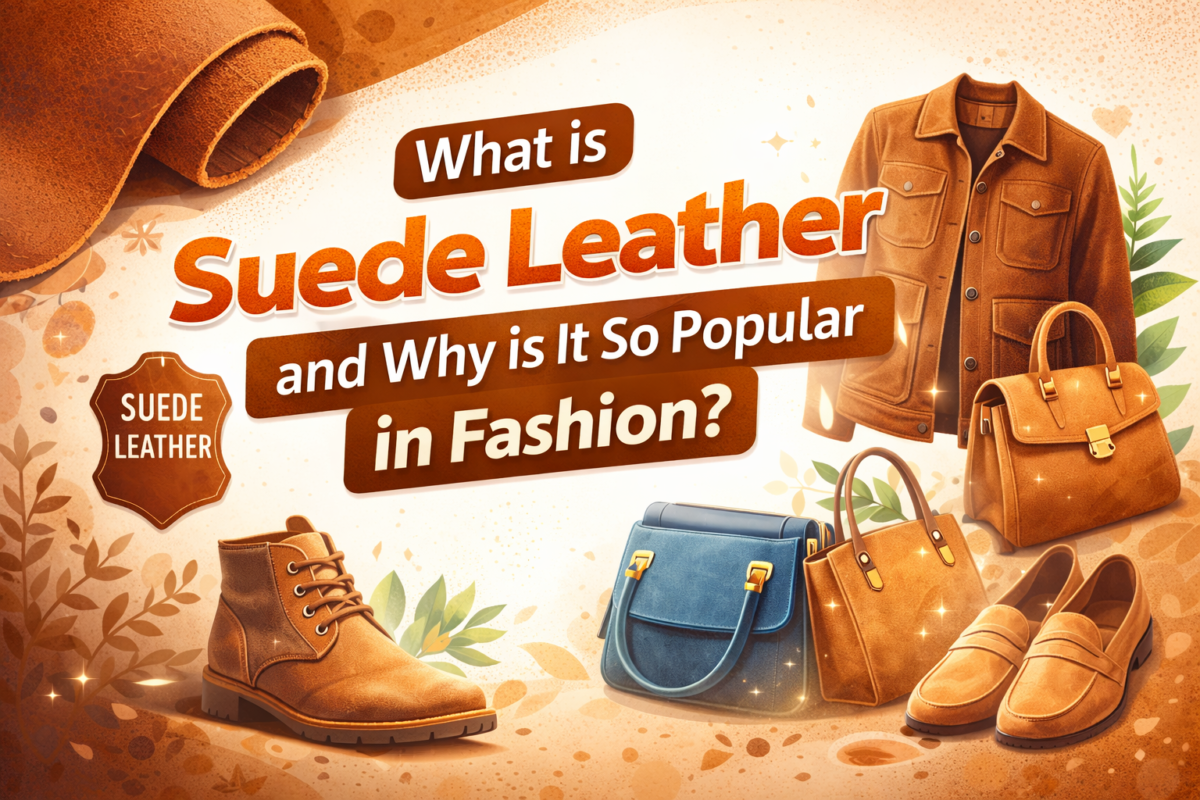
Suede leather is one of those materials that instantly feels premium the moment you touch it. But what exactly is it? Suede is created from the underside of animal hide, giving it that soft, velvety texture people love. Unlike full-grain leather, which uses the outer layer, suede comes from the inner split, making it more flexible and lightweight.
This unique structure is what gives suede its signature “nap”—those tiny fibers that create a smooth, brushed surface. However, because it comes from the inner layer, suede is naturally softer but slightly less durable than top-grain leather. That doesn’t mean it’s low quality—far from it. High-quality suede can last for years if chosen correctly and maintained well.
Think of suede like a luxury fabric version of leather. It’s not built for rough use like heavy-duty boots, but it shines in jackets, shoes, and fashion pieces where comfort and elegance matter most. The real challenge isn’t buying suede—it’s buying the right suede.
Why Suede is Popular in Fashion ?
There’s a reason suede never goes out of style. It offers a unique balance between comfort and luxury that few materials can match. When you wear a suede jacket or shoes, you’re not just wearing leather—you’re wearing texture, depth, and personality.
Suede absorbs dye beautifully, resulting in rich and deep colors that stand out without looking overly shiny or artificial. This makes it a favorite for fashion brands that want to create premium-looking products.
Another reason suede is so popular is its versatility. It works equally well in casual wear and semi-formal outfits. Whether it’s a biker jacket or loafers, suede adds a soft, refined touch. However, not all suede is created equal—which brings us to the most important part: how to identify high-quality suede leather.
Why Choosing High-Quality Suede Matters ?
Durability vs Low-Quality Suede
Let’s be honest—nobody wants to spend money on a jacket that starts shedding or fading after a few uses. That’s exactly what happens when you choose low-quality suede. Cheap suede often feels fluffy but lacks density, meaning it wears out quickly and loses its structure.
High-quality suede, on the other hand, is “soft but dense.” It feels smooth and luxurious, yet strong enough to hold its shape over time. When you press it, it bounces back instead of staying flat. That’s a clear sign of durability.
Low-grade suede also tends to develop bald spots or uneven patches, especially around seams. This is because the fibers are weak and poorly processed. Once that happens, there’s no going back.
Cost vs Long-Term Value
Here’s where many buyers go wrong—they focus only on price. A cheaper suede product might seem like a good deal at first, but it often ends up costing more in the long run. Why? Because you’ll need to replace it sooner.
High-quality suede may cost more upfront, but it offers better value. It lasts longer, looks better over time, and maintains its texture. Think of it like buying a good pair of shoes—you’re investing in comfort and longevity.
In simple terms: cheap suede saves money today, but premium suede saves money tomorrow.
Key Factors to Identify High-Quality Suede
Touch and Feel Test
The first and easiest test is touch. Run your fingers across the surface—what do you feel? High-quality suede should feel soft, smooth, and slightly spongy.
If it feels rough, stiff, or plasticky, that’s a red flag. Good suede also reacts to pressure. Press it lightly with your finger—does it leave a mark that slowly disappears? That’s a sign of well-tanned leather.
Cheap suede often feels either too fluffy or too rigid. It doesn’t have that balanced softness that premium suede offers.
Nap Consistency Check
The “nap” is the heart of suede quality. It refers to those tiny fibers on the surface. High-quality suede has a consistent nap that moves evenly when brushed by hand.
Try this: swipe your hand across the surface. The color should slightly change as the fibers move. That’s a good sign.
Watch out for:
- Patchy areas
- Shiny spots
- Bald patches
These indicate poor-quality suede or damage.
Color and Finish Quality
Color tells you a lot about suede quality. Premium suede has a rich, deep color that looks natural—not overly glossy or fake.
Low-quality suede often looks flat or (artificial). Sometimes, manufacturers use heavy coatings to hide defects, which reduces breathability and softness.
Natural variation in color is actually a good thing. It shows authenticity.
Thickness and Density
Many people think softer means better—but that’s not always true. The best suede is both soft and dense.
Dense fibers mean:
- Better durability
- Less shedding
- Longer lifespan
If the suede feels too thin or powdery, it’s likely low-grade.
Types of Suede Leather
Lambskin Suede
Lambskin suede is considered one of the most luxurious options. It’s extremely soft, lightweight, and smooth. This type is often used in high-end jackets and fashion items.
However, it’s also more delicate, so it requires careful handling.
Calfskin Suede
Calfskin suede offers a perfect balance between softness and durability. It’s slightly thicker than lambskin but still very smooth.
This is a popular choice for premium shoes and jackets.
Cowhide Suede
Cowhide suede is more durable but less soft compared to lamb or calf suede. It has a coarser texture and is often used in rugged products.
High-quality suede usually comes from younger animals like lamb or calf because their fibers are softer and more flexible.
Real vs Fake Suede Leather
Smell Test
Real suede has a natural, earthy smell. Fake suede often smells like plastic or chemicals.
It’s a simple test, but surprisingly effective.
Water Absorption Test
Drop a small amount of water on the surface. Real suede absorbs it slowly, while synthetic materials repel it.
This works because genuine leather is porous.
Backside Inspection
Turn the material over. Real suede has a rough, fibrous backside. Fake suede usually has a fabric layer.
Construction Quality in Suede Products
Stitching and Seams
Even the best suede can look cheap if the stitching is poor. High-quality products have straight, tight stitches and reinforced seams.
Loose threads or uneven stitching are warning signs.
Hardware and Finishing
Check the zippers, buttons, and edges. Premium suede products use strong metal hardware and clean finishing.
Cheap items often use lightweight or plastic components.
Common Mistakes Buyers Make
Focusing Only on Price
Many buyers assume expensive means high quality—but that’s not always true. Always inspect the material yourself instead of trusting the price tag.
Ignoring Surface Defects
Small defects like scars or uneven texture can indicate lower quality. Always check the surface carefully in natural light.
Care Tips to Maintain Suede Quality
Cleaning Techniques
Suede requires special care. Use a suede brush to remove dirt and maintain the nap. Avoid water, as it can damage the texture.
For stains, a suede eraser or powder works best.
Storage and Protection
Store suede in a dry place and use protective sprays. Moisture is the biggest enemy of suede.
Conclusion
Choosing high-quality suede leather isn’t complicated—but it does require attention to detail. From touch and texture to color and construction, every small detail tells a story about the material. If you focus on softness, density, consistent nap, and proper craftsmanship, you’ll never go wrong.
Think of suede like a relationship—you need to understand it, care for it, and choose wisely from the start. Do that, and your suede products will reward you with years of style and comfort.
FAQs
Q : How can I tell if suede is real or fake ?
A : Check the smell, texture, and backside. Real suede feels soft, smells natural, and has a fibrous back.
Q : Which suede is best for jackets ?
A : Lambskin and calfskin suede are best due to their softness and premium feel.
Q : Is suede leather durable ?
A : Yes, high-quality suede is durable if maintained properly, though it’s softer than full-grain leather.
Q : Why is some suede cheaper than others ?
A : It depends on the animal hide, processing quality, and craftsmanship.
Q : Can suede last for years ?
A : Absolutely. With proper care, high-quality suede can last many years without losing its appeal.